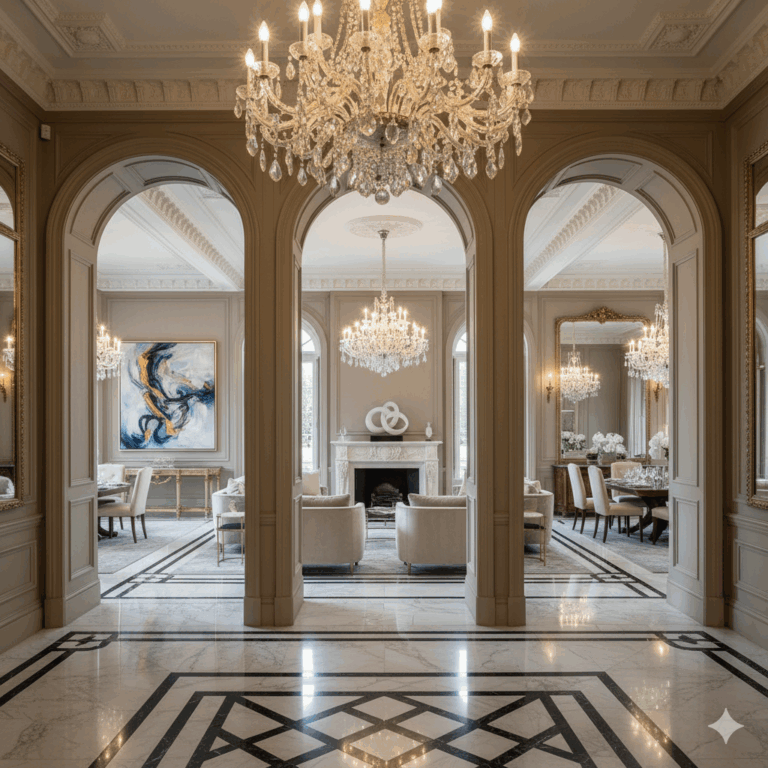
You want a majlis that honors tradition and feels unmistakably modern. That’s the heart of cultural reclamation in the Emirates: protecting the social soul of the majlis while refreshing it with refined materials and custom craft. At Solomia Home, this fusion already lives in projects across the city—start with their expertise in italian furniture Dubai to ground your space in quality and restraint.
What the majlis must always do
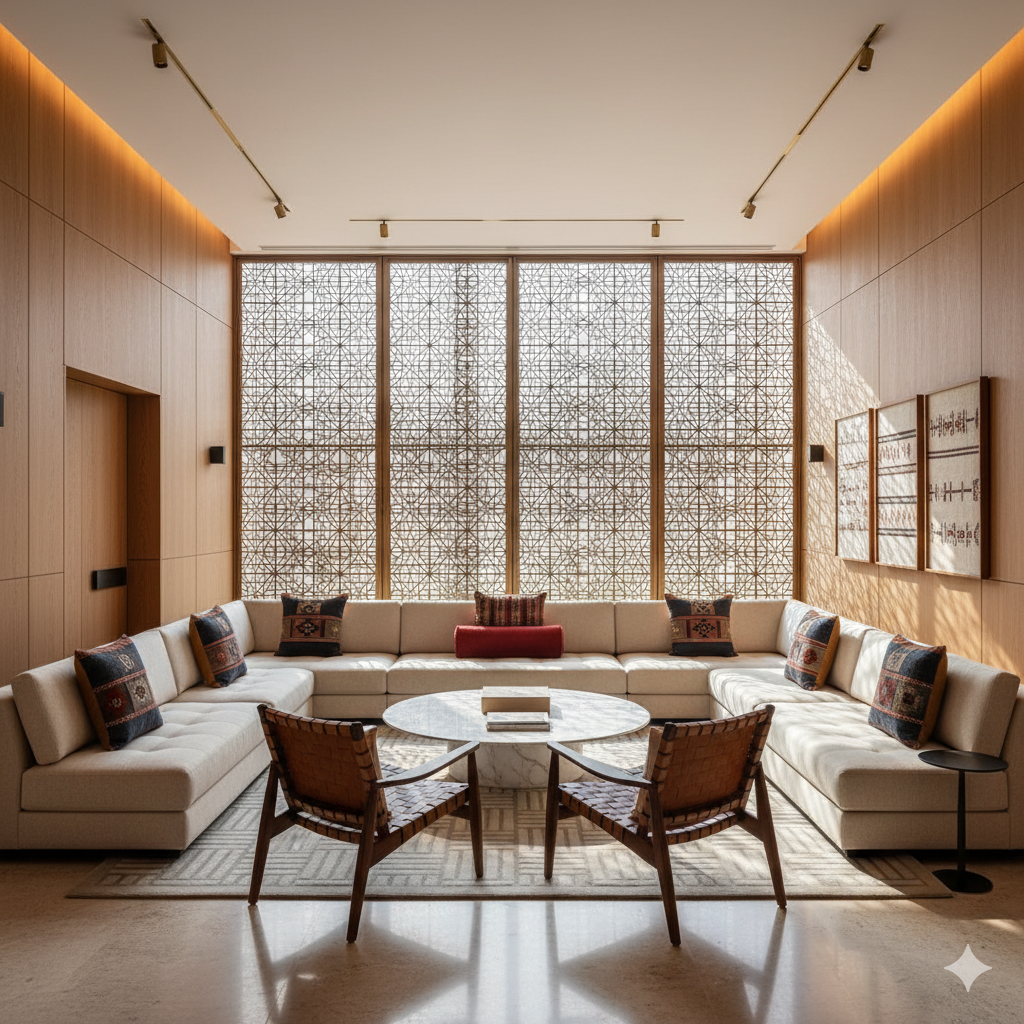
A majlis is a civic-social stage. It welcomes guests, organizes conversation, and signals respect through layout, seating, and service. Anchor your plan around that etiquette, then layer a contemporary expression on top. For a clear sense of heritage and ceremony, look to the nation’s cultural landmark Qasr Al Hosn and its programming around traditional practices.
The fusion formula: minimalist Italy × Emirati codes
1) Use modern mashrabiya to shape light and privacy.
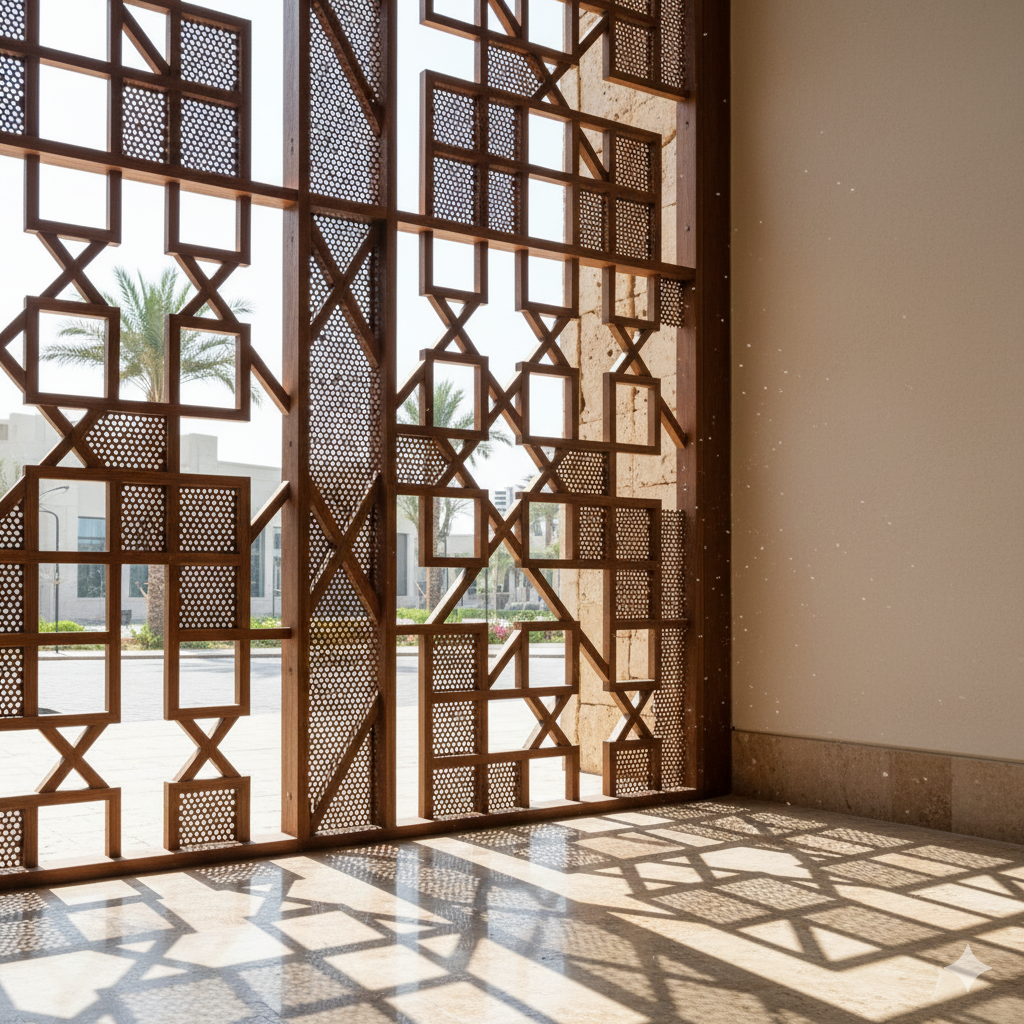
Update the lattice with precise metal or timber screens that filter light, cool the room, and protect sightlines. Contemporary Abu Dhabi precedents prove the approach at scale—the Al Bahr Towers reinterpret mashrabiya as a dynamic façade that tracks the sun and reduces solar gain. If you want a concise primer on the tradition itself, Britannica’s entry on moucharaby outlines the typology and function.
2) Bring Al Sadu geometry into a calm palette.
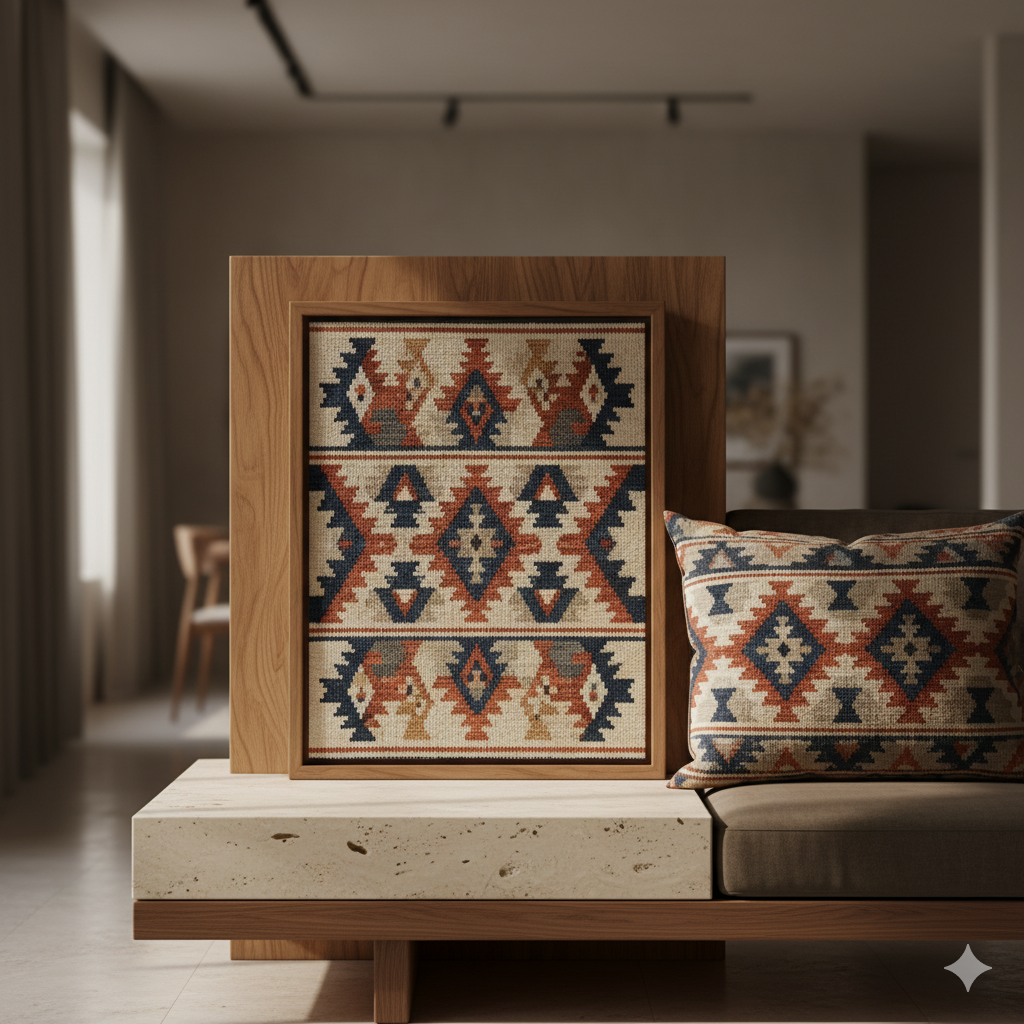
Keep walls and floors quiet in travertine and walnut, then carry identity through textiles. Al Sadu weaving—inscribed by UNESCO and stewarded locally—adds authentic Bedouin motifs that read beautifully against minimalist furniture. Use it on cushions, runners, or a framed textile panel.
3) Furnish for conversation, not clutter.
Perimeter seating encourages face-to-face exchange and smooth serving lines. Add a few sculptural, high-craft Italian pieces for comfort and hierarchy without visual noise. For a live example of proportion, flow, and material clarity, see Solomia Home’s Bvlgari Villa case study.
A materials and palette playbook that feels native—and now
- Stone + timber for a serene shell. The calm backdrop lets pattern and craft express identity.
- Precision metal screens to manage glare and heat while preserving privacy, echoing the performance logic of Abu Dhabi’s kinetic mashrabiya façades.
- Textiles with Al Sadu rhythm in controlled tones, then a single saturated accent drawn from heritage dyes.
Lighting, acoustics, and flow
Layer warm ambient light with focused accents so the room flatters faces and objects without glare. Use screens, rugs, and upholstered panels to soften sound. Keep the host seat in command of sightlines and refreshment service. These moves respect tradition and deliver contemporary comfort.
Why partner with Solomia Home
You want cultural fluency and customization. Solomia Home unites modern Italian craftsmanship with Emirati heritage through bespoke planning, sourcing, and fit-out. Explore the bespoke interior design service to translate your family’s hosting rituals into a modern majlis that works every day and shines during gatherings.
Handy references for deeper reading
- UNESCO on Al Sadu weaving, the heritage craft behind many regional patterns.
- Abu Dhabi Culture on Al Sadu’s role in Emirati life.
- Arup engineering case study for the Al Bahr Towers’ responsive mashrabiya façade.
- ArchDaily project overview of Al Bahr Towers and their mashrabiya-inspired shading.
- Qasr Al Hosn official site for context on heritage, gathering, and ceremony.
- Encyclopaedia Britannica on moucharaby for historical background on lattice screens.